



There are few moments in gaming history as memorable as opening that first door in the Spencer Mansion. The camera shifts. The corridor stretches ahead. Somewhere in the dark, something growls. That is Resident Evil survival horror at its very best: tense, atmospheric, and genuinely frightening. Since 1996, the franchise has not just participated in the horror genre; it has shaped, challenged, and redefined it. Its influence now extends beyond gameplay into a global fan culture, including the growing demand for Resident Evil collectables that celebrate its characters, creatures, and iconic moments. Whether you are a long-time fan or a newcomer curious about the fuss, this article breaks down exactly why Resident Evil matters and why it continues to cast a long shadow over everything in its wake.
Key Takeaways
Resident Evil popularised survival horror as a mainstream genre, inspiring dozens of franchises that followed.
The franchise has shifted dramatically from fixed-camera tension to first-person psychological dread, sparking fierce debate among fans.
Several entries remain controversial for abandoning survival elements, while others are celebrated as genre-defining titles.
Resident Evil: Tofu TUBBZ (Boxed Edition)
£14.99
The 4th survivor, Tofu, is now taking its chances as a TUBBZ cosplaying duck, who knew TOFU could look so quacky! This officially licensed collectable is part of the TUBBZ range, a highly collectable series of your favourite gaming, movie, TV… read more

The Birth of Resident Evil Survival Horror
Ask any veteran gamer what popularised survival horror, and the answer is almost always the same: Resident Evil. Released in 1996 by Capcom, the original game drew heavily on Sweet Home, a Famicom RPG horror title also published by Capcom. It combined fixed camera angles, limited inventory management, and a slow, creeping atmosphere that made every bullet feel precious.
The tension was not just about jump scares; it was about decision-making under pressure. Do you use your last shotgun shell now, or save it for whatever lurks ahead?
That formula was revolutionary. Fixed camera angles created blind spots. Narrow corridors amplified vulnerability. Resource management turned routine exploration into a psychological exercise. Players were not just scared, they were stressed. And that combination proved irresistible.
The Creators and the Vision Behind the Fear
Capcom developed and published Resident Evil, with Shinji Mikami directing the original title. Mikami has since described the game as a response to what he felt was missing in horror games at the time, genuine fear rooted in helplessness. The Western port was handled by Virgin Interactive, helping to broaden its reach across Europe. That collaboration between Japanese horror sensibility and Western publishing gave the franchise its early global footprint. Mikami went on to further define horror game design with titles such as Dino Crisis and later The Evil Within.
How Resident Evil Redefined Survival Horror Design
The influence of Resident Evil on genre development is difficult to overstate. Titles like Silent Hill, Dead Space, Alien: Isolation, and even the modern Amnesia series owe a structural debt to Capcom's blueprint. The core pillars that Resident Evil established, resource scarcity, environmental storytelling, and psychological horror rooted in isolation, became the template for serious horror game design.
Resource management in particular changed how players engaged with horror. Ammunition was finite. Healing items were limited. Ink ribbons used to save your game were consumables. Every choice had weight. That survival pressure created a level of player investment that purely action-led games simply could not replicate.
The Scariest Entries in the Franchise
Debating the scariest Resident Evil is a rite of passage in the community. Most fans circle back to Resident Evil 7: Biohazard as the most genuinely terrifying entry. Its shift to a first-person perspective inside a decaying Louisiana farmhouse stripped away all comfort. No familiar characters. No arsenal. Just you, a horrifying family, and relentless psychological horror. The Baker household sequences are among the most unsettling in gaming history.
Resident Evil 2 (both the original 1998 release and the 2019 remake) earns its place through relentless atmospheric tension. Mr. X stalking you through the Raccoon City Police Department is a masterclass in dread. You never feel safe. You always feel watched. That sustained anxiety is what horror fans live for.
Modern Horror Face-Offs
RE7 vs RE8: RE7 edges ahead for pure horror. It is more claustrophobic, more personal, and far more focused on survival horror mechanics. RE8 Village leans into action and spectacle, which makes it thrilling but less frightening. If you want scares, play RE7. If you want an action-horror blockbuster, RE8 delivers.
RE2 vs RE3 (Remakes): RE2 is the clear winner for atmosphere. Its dual-campaign structure, Tyrant threat, and labyrinthine police station create layered, rewarding tension. RE3 Remake, while fun, is more of an action game. It feels rushed, the environments are linear, and Nemesis, while iconic, loses some of his menace compared to classic depictions.
Difficulty, Challenge, and Survival Pressure
The hardest Resident Evil game is widely considered to be Resident Evil Zero or the original Resident Evil on its hardest difficulty settings. RE Zero removed the item box system entirely, forcing players to leave items on the floor, a brutal resource management mechanic that punished poor planning. RE1's Jill Valentine playthrough on Hard Mode offers almost no margin for error.
The Resident Evil 2 Remake on Hardcore difficulty also deserves a mention. Limited saves, increased damage, and a relentless Mr. X make it one of the most punishing modern horror experiences available. Survival elements are pushed to their absolute limit.
From Survival Horror to Action: The Turning Point
Many fans argue that Resident Evil stopped being a survival horror with RE4 in 2005. That is a reductive view, but understandable. RE4 replaced fixed camera angles with an over-the-shoulder perspective. It introduced action-oriented gameplay that was faster, more kinetic, and frankly more accessible. The fear of running out of ammo gave way to the satisfaction of headshots and crowd control.
In truth, RE4 remains a masterpiece, beautifully balancing tension and action. The real pivot came with RE5 and RE6, which firmly pushed the franchise's evolution into blockbuster territory. Cooperative play, set pieces, and explosive action almost entirely replace the atmosphere. For many fans, that shift was a betrayal. For others, it was a necessary reinvention.
Controversies That Sparked Debate
RE5 drew criticism for two reasons. First, its setting in sub-Saharan Africa attracted accusations of racial insensitivity, a debate that still resurfaces. Second, it required a co-op partner to play smoothly, stripping away the isolation that defined the series. The action-oriented gameplay felt more like Gears of War than Resident Evil. Despite selling well, it left a portion of the fanbase cold.
RE6 is controversial for trying to please everyone and satisfying no one. It packed four separate campaigns into one bloated package, none of which felt fully realised. The horror elements were buried under layers of action set pieces. Critics and fans alike called it unfocused. It scored poorly at launch and became the cautionary tale that pushed Capcom towards the reboot seen in RE7.
Remakes, Cuts, and Cancelled Projects
The RE3 Remake divided opinion sharply. Critics point to cut content, Nemesis's branching encounters, the Clock Tower section, and several classic locations that never made it into the game. It felt shorter and less ambitious than the RE2 Remake that preceded it. Many fans felt cheated given the expectations set by its predecessor.
As for RE 1.5, the cancelled beta version of Resident Evil 2, Capcom scrapped roughly 80% of the game because it lacked personality and felt dull compared to the original. The lead character, Elza Walker, was replaced by Claire Redfield. A prototype was later leaked online in 2012, giving fans a glimpse of what nearly was. It was a fascinating yet ultimately unfinished chapter in the history of horror game design.
Resident Evil: Jill Valentine TUBBZ Plushie
£24.99
Brains, bravery, and iconic style. Jill Valentine is everything a S.T.A.R.S. member should be, and this TUBBZ Plushie captures her classic look with a cuddly twist. From Raccoon City to your shelf, she's ready to take on any biohazard with a confident… read more

Celebrate the Franchise with Resident Evil Collectables
If you are a fan of the franchise, the world of Resident Evil collectables offers a brilliant way to bring these iconic characters to life. TUBBZ has created a range of officially licensed figures that capture the spirit of the series with personality and charm.
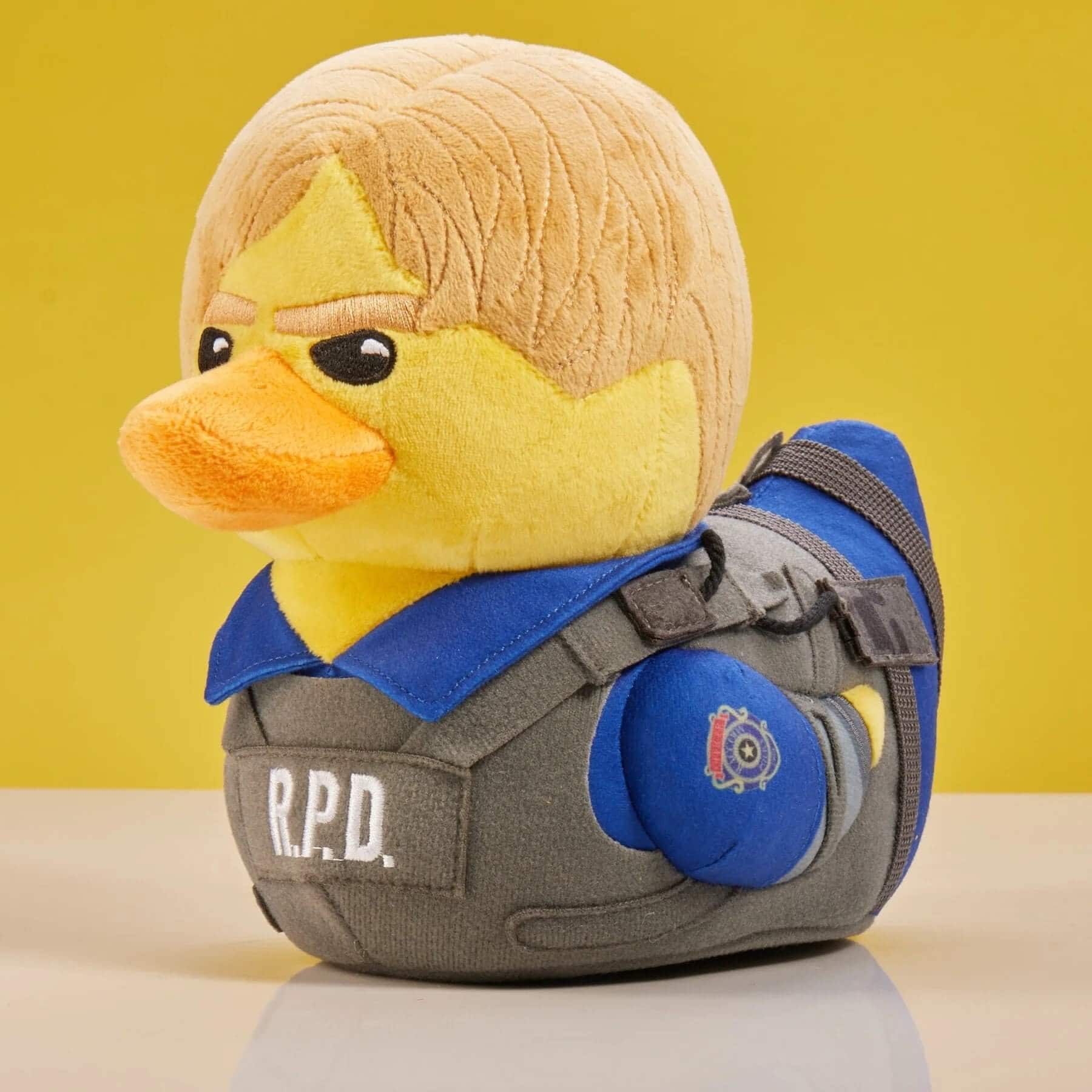
Resident Evil: Leon S. Kennedy TUBBZ Plushie
• Officially licensed, super-soft plushie featuring Leon in his iconic R.P.D. uniform
• A fan-favourite character rendered in TUBBZ's signature cute-but-faithful style
• Perfect for display or gifting to the RE fan in your life
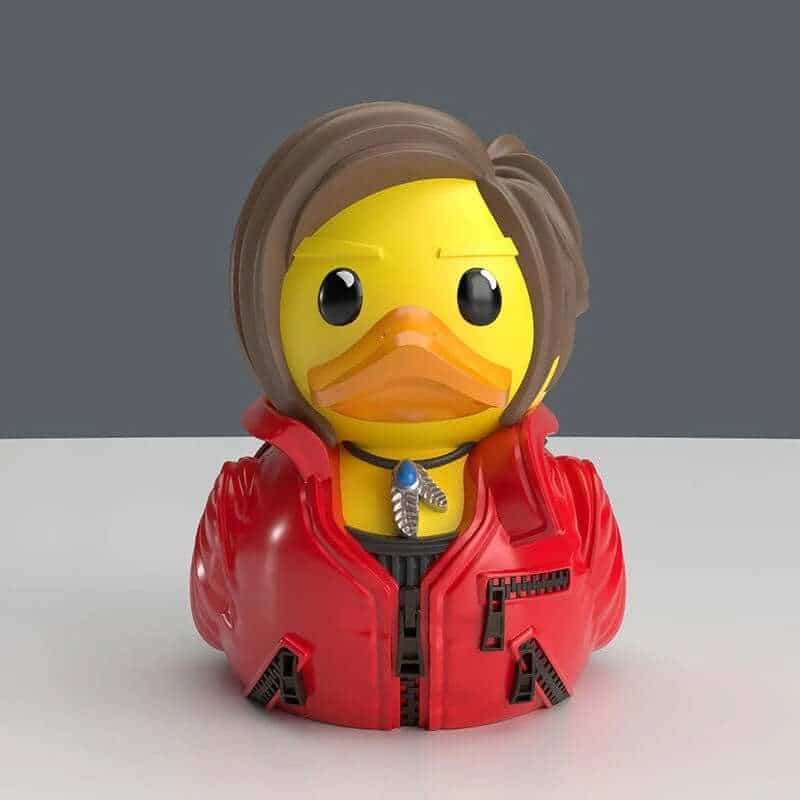
Resident Evil: Chris Redfield TUBBZ (Boxed Edition)
• A premium boxed edition figure featuring S.T.A.R.S. alpha team leader Chris Redfield
• Comes in collectable display packaging ideal for shelf display or unopened collection
• Part of the growing TUBBZ Resident Evil collectables range available at the official website.
Conclusion
Resident Evil, the survival horror franchise, did not just create a genre; it gave it a heartbeat. From the Spencer Mansion to Castle Dimitrescu, the franchise has evolved, stumbled, and reinvented itself with remarkable resilience. Its influence stretches across three decades of game design, touching everything from indie horror titles to AAA blockbusters.
The debates about the scariest entries, the hardest difficulties, and the most controversial sequels are a sign of how deeply people care. That passion is what keeps the franchise alive. Whether Capcom continues to push forward with Village's mythology or returns to its roots, one thing is certain: survival horror as we know it would look very different without Resident Evil leading the way.
FAQs: Resident Evil Survival Horror
What game popularised survival horror?
Resident Evil, a survival horror game, was the genre-defining breakthrough. Capcom's 1996 original coined the term and set the template that dozens of games have followed ever since.
Which Resident Evil is scariest?
Most fans point to Resident Evil 7: Biohazard. Its first-person perspective and isolated farmhouse setting deliver sustained psychological dread that few Resident Evil survival horror entries can match.
What is the hardest Resident Evil game?
Resident Evil Zero is widely regarded as the most punishing, thanks to its lack of item boxes. RE2 Remake on Hardcore is also brutally challenging for modern players.
Why is Resident Evil 6 controversial?
RE6 tried to pack too much into one game. Its four campaigns diluted focus, and the action-heavy design left fans of Resident Evil survival horror feeling alienated from the series they loved.
When did Resident Evil stop being a survival horror?
Many fans mark RE5 and RE6 as the point of departure. However, Resident Evil survival horror returned in force with RE7, proving the franchise could recapture its roots when it wanted to.