




What if a single town could hold the secrets to an entire universe of horror? The Silent Hill Timeline is one of gaming's most fascinating puzzles - a web of stories that spans decades, dimensions, and the darkest corners of the human psyche. Whether you're a long-time fan or just starting your journey into the fog, understanding how every Game and film fits together makes the experience richer, stranger, and far more rewarding.
Key Takeaways:
The Silent Hill games do not follow a single linear story - each entry has its own narrative, with some directly connected and others standing alone.
Release order and chronological story order are very different things, and knowing the difference helps you appreciate each Game far more.
The films exist in their own separate continuity from the games, so you can enjoy both without worrying about contradictions.
Overview of the Silent Hill Narrative Timeline
Silent Hill, as a franchise, has never been straightforward. Konami's series, launched in 1999, uses the town of Silent Hill as a backdrop for deeply personal horror stories rather than a single continuous epic. The Silent Hill universe is built on themes of guilt, grief, and psychological torment. Understanding the series overview means accepting that no single timeline will ever feel perfectly neat — and that is entirely intentional.
Some games are direct sequels. Others share the same setting but tell entirely separate stories. A handful exist in alternate realities or timelines altogether. Think of it less like a Marvel Cinematic Universe and more like an anthology horror series, where the town itself is the constant. That anthological quality is a large part of what has made the franchise so enduring. Each story stands alone yet feeds into a shared mythology that fans have spent decades unpacking, debating, and celebrating.
It is that same depth and devotion that has built one of gaming's most passionate fan communities, one that extends well beyond the screen into a rich world of Silent Hill collectables — from limited edition figures to art pieces that capture the franchise's most haunting imagery.
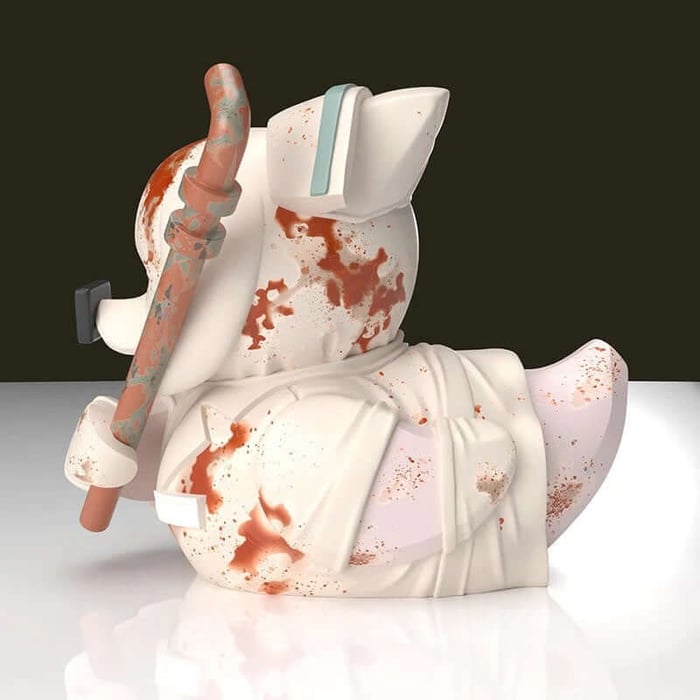
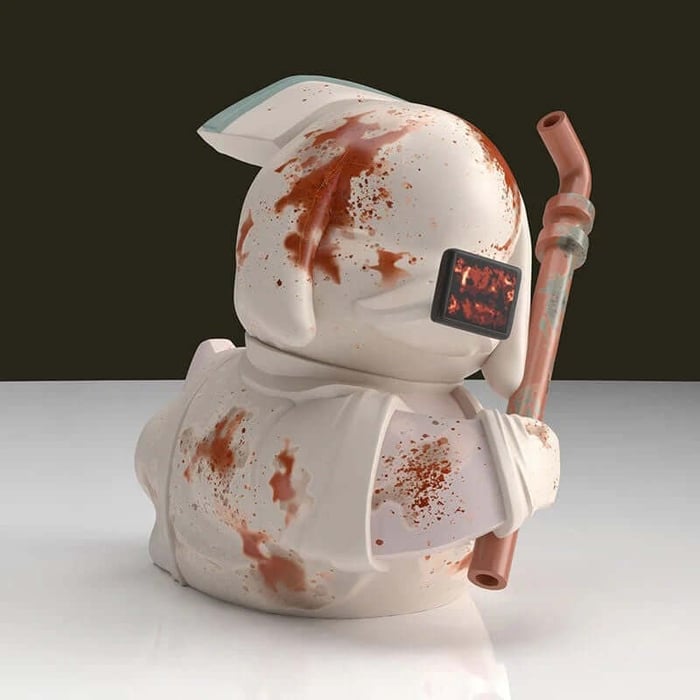
Silent Hill: Nurse TUBBZ (First Edition)

£19.99
Sinister style and spine-chilling elegance, this Nurse TUBBZ brings the classic horror icon into quacky territory. With a bandaged face, twisted stance, and that eerie aura, it's a duck that demands a double take. First Edition, fully licensed, and fearfully… read more
Complete Game Timeline Explained
Here is the core chronological sequence of the Silent Hill games, based on in-universe story events rather than release dates:
Game | Year Released | Story Placement |
Silent Hill: Origins | 2007 | Earliest in the timeline (pre-SH1) |
Silent Hill (1) | 1999 | Shortly after Origins |
Silent Hill 3 | 2003 | Direct sequel to SH1 |
Silent Hill 2 | 2001 | Set around the same era as SH3 (separate story) |
Silent Hill 4: The Room | 2004 | Loosely connected, contemporary setting |
Silent Hill: Homecoming | 2008 | Post-SH4 era |
Silent Hill: Downpour | 2012 | Standalone, contemporary |
Silent Hill: Shattered Memories | 2009 | Alternate reimagining of SH1 |
Origins is the clear starting point, following Travis Grady's arrival in Silent Hill and the events that set the original game in motion. Silent Hill 1 then picks up with Harry Mason searching for his missing daughter, Cheryl. Silent Hill 3 continues that story directly, making it the closest thing to a true sequel in the whole series.
Silent Hill 2, despite being released before SH3, is set roughly in the same period but follows a completely separate character — James Sunderland — and his own deeply personal nightmare. It is within James's story that the series introduces Pyramid Head, a grotesque and relentless figure who exists not as a random monster but as a physical embodiment of James's own guilt and desire for punishment.
Stalking the corridors alongside him are the Nurses — twisted, lurching figures whose disturbing presence has made them one of horror gaming's most recognisable symbols. So iconic have these characters become that both have transcended the games entirely, appearing across art, film, and fan culture — including the Nurse TUBBZ, a collectable figure that captures the Nurse's unsettling design in a format that has become a favourite among Silent Hill fans and collectors alike.
Release Order vs Story Chronology
Understanding timeline shifts is where most new players get confused, and it is completely understandable. The release order of the games does not reflect the narrative chronology, and that actually works in the series' favour.
Silent Hill 2 was released before Silent Hill 3, yet story-wise, they run parallel rather than sequentially. Playing them in release order is perfectly fine, and many fans argue it is the better experience since SH2 is widely considered the pinnacle of the series.
Silent Hill: Origins was released in 2007, but it serves as a prequel to the series, filling in the backstory of the town's dark past. Shattered Memories, released in 2009, is not a sequel or prequel at all - it is an alternate reimagining of the first Game with a completely different ending and tone. It shares almost no plot continuity with the main series.
For most players, release order remains the recommended approach. The games were designed to be experienced that way, and the interconnected lore reveals itself gradually, enhancing the atmosphere.
Series Connections and Canon Explained
World-Building and Shared Setting
Do all Silent Hill games take place in the same town? Mostly, yes - but not always. The fictional town of Silent Hill in Maine, USA, serves as the primary setting for most entries. However, Silent Hill 4: The Room is largely set in a South Ashfield apartment, with the town serving as a spiritual presence rather than a physical location. Downpour and Homecoming both use Silent Hill and its surrounding areas.
Are all Silent Hills connected? In terms of lore and atmosphere, absolutely. The town's mythology - the Order cult, the Otherworld, and the town's power to manifest psychological trauma - threads through almost every entry. In terms of direct narrative continuity, only SH1 and SH3 are tightly linked.
Canon, Sequels, and Prequels
Which Silent Hill endings are canon? The series has never officially confirmed canonical endings across the board. For Silent Hill 1, the "Good" ending is widely accepted as the basis for Silent Hill 3's story. For Silent Hill 2, Konami has never stated which ending is official, which is part of what makes James Sunderland's story so haunting.
Is Silent Hill 3 a prequel? No. It is a direct sequel to the first Game, continuing Heather Mason's story - the grown-up version of Cheryl from the original.
Do you have to play Silent Hill 1 and 2 before 3? For SH2, no. It is a self-contained story. For SH3, playing SH1 first is strongly recommended, as the emotional payoff relies on knowing Harry Mason's story. That said, SH3 does provide enough context to be understood on its own.
Silent Hill Movie Timeline and Viewing Order
The two Silent Hill films - Silent Hill (2006) and Silent Hill: Revelation (2012) - exist in their own separate continuity from the games. They borrow heavily from the visual language and mythology of the games, particularly the first Game and SH3, but the plot details diverge significantly.
In what order do you watch Silent Hill? Simply in release order. Watch Silent Hill (2006) first, then Silent Hill: Revelation (2012), which continues Rose and Sharon's story from the first film.
The films are not required viewing to understand the games, nor are the games required to enjoy the films. Think of them as a parallel universe take on the same haunted town. They capture the aesthetic - the fog, the rust, Pyramid Head - even if the narrative timeline breakdown differs from the source material.
Conclusion
The Silent Hill series is unlike almost anything else in gaming. It does not ask you to follow a rigid chronology. Instead, it invites you to explore a town that means something different to every character who stumbles into it.
Here is the simplest guide: start with Silent Hill 1, play Silent Hill 2, then move to SH3 if you want the direct continuation. Everything else - Origins, Homecoming, Downpour - adds depth and colour without being essential. For the films, just watch them in release order and enjoy them as a companion piece.
If the Silent Hill universe has ignited your passion for collecting, TUBBZ offers a range of officially licensed Silent Hill collectables, including rubber duck figures of iconic characters, perfect for fans who want to bring a piece of that world home.
The fog is waiting. Step in.
FAQs: Silent Hill Timeline
What is the Silent Hill Timeline, and why does it matter?
The Silent Hill Timeline refers to the chronological and narrative order of events across all games and films in the franchise. Understanding it helps you appreciate the storytelling, character connections, and lore that make the series so unique.
What is the Silent Hill Timeline in chronological story order?
In story order: Silent Hill: Origins, Silent Hill 1, Silent Hill 3, Silent Hill 2, Silent Hill 4: The Room, Silent Hill: Homecoming, and Silent Hill: Downpour. Shattered Memories is an alternate timeline reimagining of SH1 and sits outside the main sequence.
Does the Silent Hill Timeline follow a single connected story?
Not exactly. The Silent Hill Timeline connects some games directly, particularly SH1 and SH3, while others, like SH2, run in parallel or as standalone games. The town of Silent Hill is the constant thread, not the characters.
How do the movies fit into the Silent Hill Timeline?
The films exist in their own separate continuity. The Silent Hill Timeline in the movies loosely adapts SH1 and SH3, but diverges from the Game storylines. Watch Silent Hill (2006) followed by Silent Hill: Revelation (2012) for the film-specific narrative.
Do I need to follow the Silent Hill Timeline to enjoy the games?
No. Each Game is largely designed to be approachable on its own. However, following the Silent Hill Timeline - especially playing SH1 before SH3 - will significantly deepen your appreciation of the story and the emotional weight behind each entry.