


You only get so much shelf space. That’s the harsh truth of collecting. One side could be filled with tactical heroes, bio-engineered monsters and cinematic showdowns. The other could be dominated by fog, rust, symbolism and a single executioner’s blade catching the light. When it comes to Silent Hill vs Resident Evil, you’re not just comparing games. You’re deciding which horror icons deserve long-term display status in your collection of toys and figures. Action-led legends or psychological nightmares. Ensemble cast or singular symbols.
If you collect horror game collectables, this comparison matters. Let’s take a closer look at what truly defines each franchise’s icons, how that translates into merchandise strength, and which delivers the stronger long-term shelf presence.
Key Takeaways
Resident Evil icons thrive on hero variety, costume recognition and multi-format collectables.
Silent Hill icons dominate through symbolism, atmosphere and premium statement pieces.
The stronger franchise depends on whether you prefer ensemble storytelling or antagonist-led impact.
Two Pillars of Survival Horror
Before comparing Silent Hill icons and Resident Evil icons, you need to understand the foundations.
Resident Evil: Action Horror Icons
Resident Evil launched in 1996 and reshaped survival horror into a mainstream powerhouse. According to Capcom’s official investor data, the franchise has sold over 150 million units worldwide, making it one of the best-selling video game series of all time. That scale matters. Mass exposure builds recognisable characters. Recognisable characters build toys and figures that sell consistently.
Resident Evil’s identity is built on tactical realism, distinct heroes in uniform, towering bio-organic villains, and ongoing remakes and releases. You’re collecting a franchise with momentum.
Silent Hill: Psychological Horror Legends
Silent Hill, launched in 1999, took a different route. It leaned into psychological horror rather than explosive action. Fewer explosions. More unease. Instead of building a roster of recurring heroes, Silent Hill built symbols such as The Red Pyramid Thing, the Nurses, and Robbie the Rabbit.
You’re not collecting a squad. You’re collecting meaning. That difference shapes everything from statues to duck collectables.
The Most Recognisable Resident Evil Icons
Let’s break this down properly and look at the key faces that drive Resident Evil collectables.
The Heroes
Resident Evil’s commercial strength starts with its protagonists. These are not background characters. They are the emotional anchors of the franchise. When you picture Resident Evil icons, you likely see a determined stance, a tactical outfit, and a character who has survived the impossible.
Leon S. Kennedy
Arguably the franchise’s most recognisable face. His Resident Evil 4 look alone fuels multiple toys and figures. Tactical jacket. Focused expression. Instantly identifiable.
Resident Evil: Leon S Kennedy TUBBZ (Mini Edition)
£7.99
From rookie cop to biohazard battler, Leon's looking sharp (and slightly quacky) in this Mini Edition, ready to face the undead with a whole lot of hair swoop and hero vibes. Key Details Official Resident Evil merchandise Designed and manufactured… read more

Jill Valentine
Whether you prefer her classic S.T.A.R.S. uniform or her updated remake look, Jill’s silhouette is sharp and instantly recognisable. The beret. The tactical vest. The calm authority. She brings balance to a display and works perfectly as the centre of a hero-led shelf.
Claire Redfield
Claire stands out through colour and attitude. That red jacket cuts through darker palettes and gives your display contrast. Across multiple games, she has remained consistent yet evolved, which strengthens her cross-generational appeal in toys and figures.
Resident Evil : Claire Redfield TUBBZ (Édition boîte)
£14.99
Article en précommande disponible en stock en février 2024 Claire doit élargir ses recherches pour retrouver son frère Chris, et elle a décidé de partir à sa recherche dans la mare aux canards avec son nouveau déguisement : celui d'un canard… read more

Chris Redfield
Chris delivers physical presence. Broad build. Military posture. Clear leadership energy. His long-running character arc adds depth, which makes him a reliable anchor for Resident Evil collectables.
Together, these heroes give you structure. You can build clean line-ups. You can recreate S.T.A.R.S. team dynamics. You can focus on a specific game era and keep everything visually cohesive. That flexibility is one of Resident Evil’s greatest commercial strengths.
The Villains
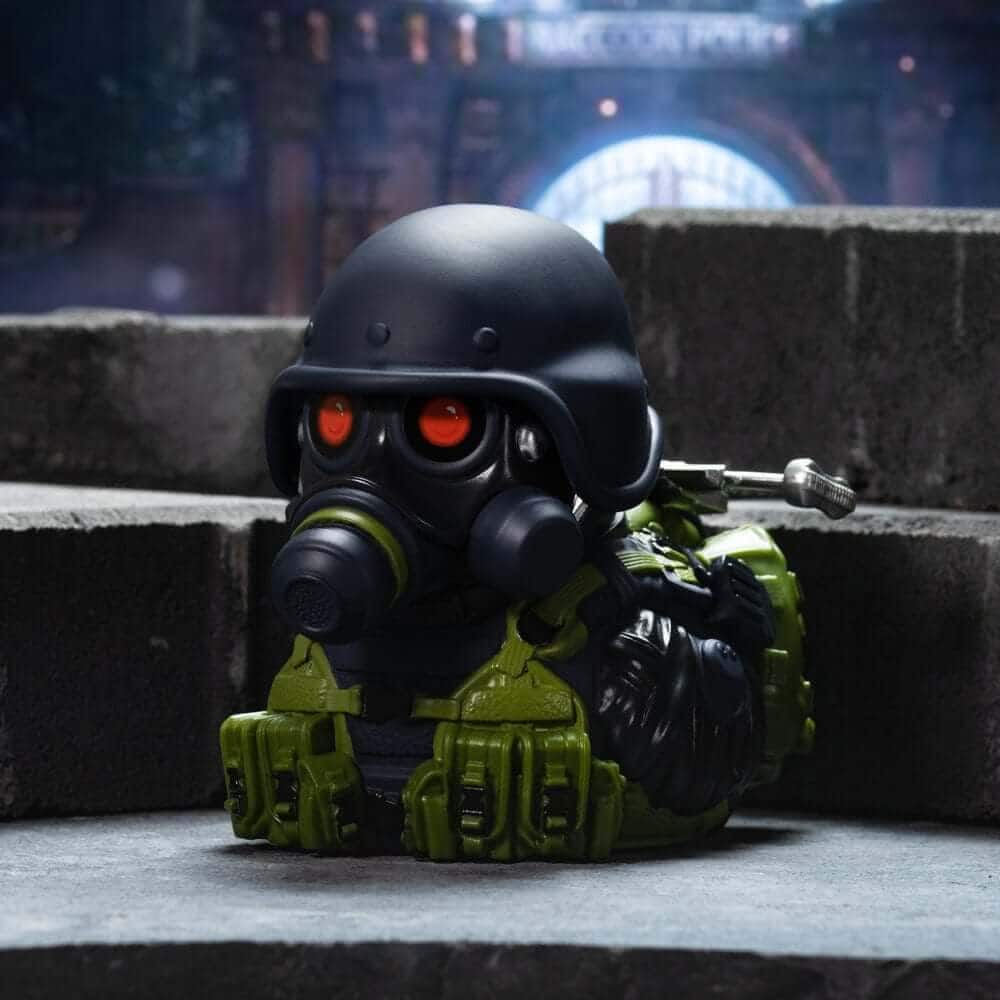
Resident Evil villains sell differently. They spike. While heroes build steady loyalty, villains generate urgency. Their designs are louder. Their presence is heavier. On a shelf, they demand attention rather than earn it gradually.
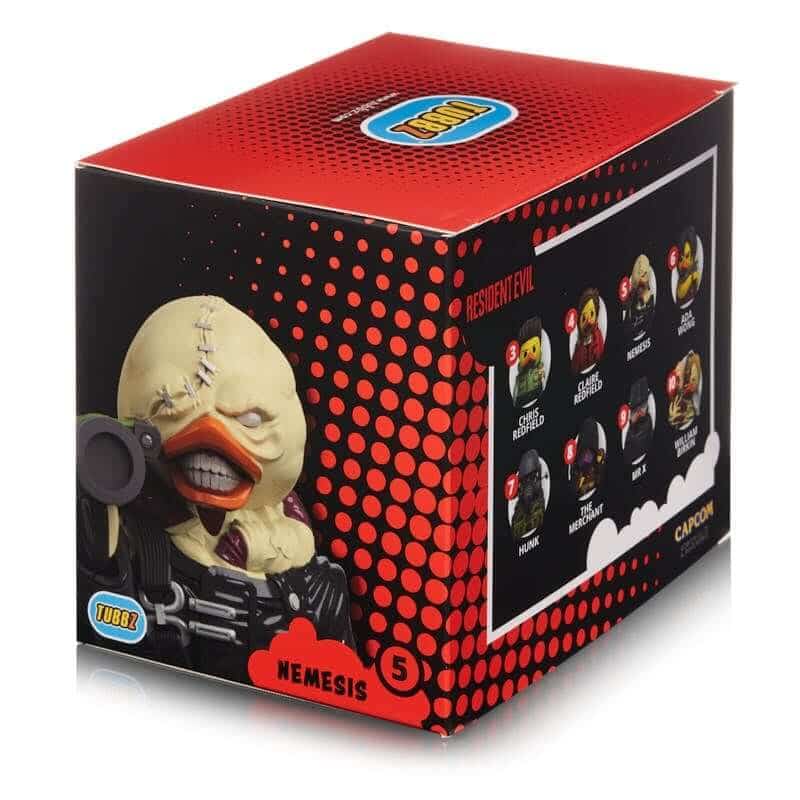
Nemesis
Large. Brutal. The trench coat alone makes him unmistakable. Nemesis works exceptionally well in statue form because his scale amplifies the threat. He doesn’t just sit on a shelf. He looms over it.
Mr X
Minimalist design. No exaggerated armour. No complex detailing. Just a towering figure in a suit. That simplicity is exactly why he dominates. His size and posture do all the talking.
Resident Evil : Mr. X (T-103) TUBBZ (Édition boîte)
£14.99
Dépêchez-vous ! Trouvez un endroit où vous cacher ! Le redoutable Tyran T-103 et impitoyable machine à tuer Mr. X est là ! Oh là là ! Attendez… c'est un… canard ? Soudain, il n'est plus si menaçant. Cet objet… read more

William Birkin
Pure mutation-driven horror. Each transformation adds grotesque detail, making him ideal for dramatic figures. He’s visually chaotic, which creates contrast against more tactical hero designs.
Resident Evil : William Birkin TUBBZ (Édition boîte)
£14.99
Transformé par le virus G, William Birkin apparaît désormais sous la forme d'un incroyable canard cosplayé ! Cet objet de collection unique est un incontournable pour les fans de Resident Evil ! Produits officiels Resident Evil. Conçu et fabriqué par Numskull Designs.… read more

The Merchant
A cult favourite from Resident Evil 4. Hooded. Mysterious. Instantly recognisable by silhouette alone. He adds personality to a display and appeals to collectors who appreciate franchise depth.
Villains often outperform heroes visually. Their scale, posture and exaggerated features create instant shelf drama. If you want a display that feels dynamic rather than orderly, antagonists are usually the strongest starting point.
What Makes Resident Evil Icons Commercially Strong?
Resident Evil icons succeed because they are instantly recognisable. The costume does the work. Tactical vests, S.T.A.R.S. insignia and signature jackets create a clear visual identity across toys and figures. They also reappear across sequels and remakes, which refreshes demand and keeps characters relevant. That consistency strengthens long-term collectability.
Most importantly, the franchise balances hero and villain appeal while offering multiple formats, from stylised duck collectables to premium statues. You can expand your shelf without repeating the same visual tone.
The Most Recognisable Silent Hill Icons
Now let’s shift the lens. Silent Hill works differently. It doesn’t compete on quantity. It competes on impact.
Pyramid Head: The Ultimate Symbol
Pyramid Head, also known as Red Pyramid Thing, debuted in Silent Hill 2. His origin is deeply psychological. He represents guilt, punishment and internal torment. That meaning gives weight to every Pyramid Head statue produced.
The Red Pyramid Thing statue category is premium-heavy. Whether you’re looking at a limited edition horror figure or a stylised interpretation like a Pyramid Head TUBBZ, the core appeal is the same. You’re buying symbolism.
His design works because the triangular helmet is instantly recognisable. His oversized blade creates visual tension, and the silhouette dominates even without bright colour. Few horror game icons command attention like this.
The Nurses: Disturbing Minimalism
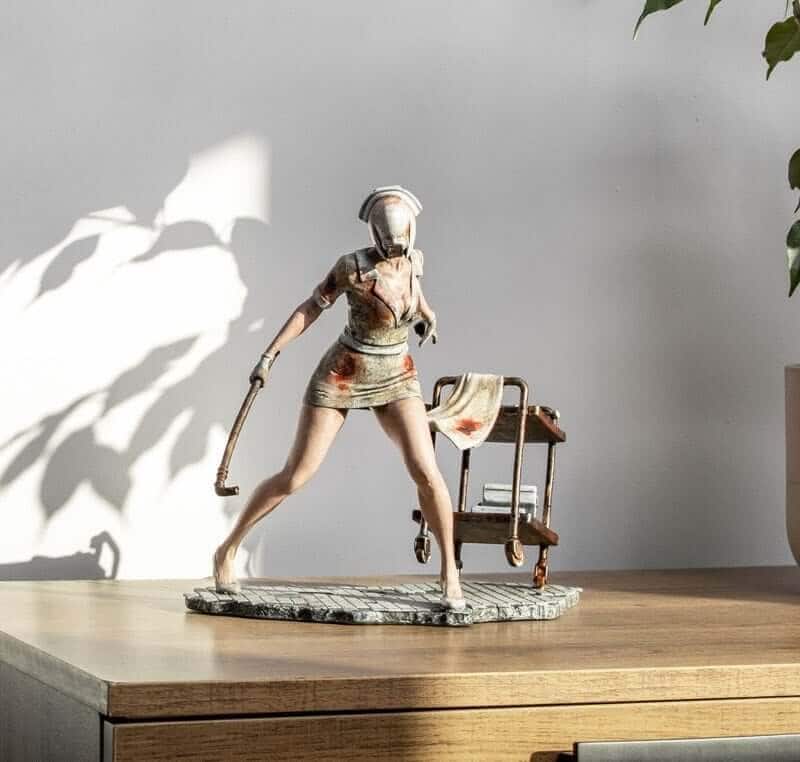
The Silent Hill Nurses are unsettling because they are almost human. Almost. Their distorted posture and obscured faces create slow discomfort rather than instant shock. If you have ever played Silent Hill, you know the tension they bring the moment they step into view.
In collectable form, that unease translates through subtle design choices. Body language matters. Texture detail matters. The muted palette avoids distraction and keeps the tone oppressive. Even a single Nurse statue or figure can anchor a shelf. The impact is quieter than Nemesis, yet arguably more disturbing. It lingers rather than explodes.
Silent Hill: Nurse TUBBZ (First Edition)
£19.99
Sinister style and spine-chilling elegance, this Nurse TUBBZ brings the classic horror icon into quacky territory. With a bandaged face, twisted stance, and that eerie aura, it's a duck that demands a double take. First Edition, fully licensed, and fearfully… read more

Robbie the Rabbit: Cult Icon Status
Robbie the Rabbit adds contrast. Bright pink against industrial decay. Childlike shape in a nightmare setting. As a figure, Robbie attracts collectors who appreciate deeper franchise lore. It’s niche, but loyal.
Protagonist Representation in Silent Hill
Silent Hill protagonists exist in merchandise, but they rarely dominate the market. James Sunderland and Heather Mason appear in statues and figures, yet they often sit behind Pyramid Head in demand.
That tells you something important. Silent Hill villains drive the brand identity.
What Makes Silent Hill Icons Commercially Powerful?
Concentration drives intensity. When fewer characters exist, demand funnels into them. That’s why Pyramid Head collectables remain consistently sought after. It’s not breadth. Its weight.
Merchandise Format Diversity Compared
Now let’s talk structure. Format diversity directly affects collectability. The more formats available, the more ways you can enter, scale and theme your shelf.
Resident Evil Format Spread
Resident Evil collectables extend across multiple categories. You’ll find Mini Edition and Boxed Edition TUBBZ ducks, plush toys, replica props inspired by Resident Evil 4, and premium statues with high-detail sculpting.
This spread creates a tiered entry. You can begin with a compact duck collectable, then gradually move into larger toys and figures as your collection grows. It supports both casual buyers and serious collectors.
Silent Hill Format Structure
Silent Hill takes a more concentrated approach. The focus leans towards limited edition horror figures, premium Red Pyramid Thing statue releases, select POP-style figures, magnet accessories and statement-led duck collectables.
There is less format diversity, but stronger thematic consistency. Instead of building across multiple tiers, you’re investing in impact pieces that carry heavier visual weight. Less variety. More focus.
Hero-Driven vs Antagonist-Driven Horror
Here’s where the Silent Hill vs Resident Evil comparison becomes strategic.
Resident Evil builds balance. Heroes anchor loyalty. Villains create spectacle.
Silent Hill flips that dynamic. Antagonists define the franchise. Protagonists support it.
If you prefer:
Narrative displays and character arcs, Resident Evil works.
Minimalist, symbolic horror, Silent Hill dominates.
Tip: Decide whether you collect stories or symbols before expanding your shelf.
Collectability Factor: Which Icons Hold Value?
Long-term value depends on visibility and nostalgia cycles. Resident Evil benefits from frequent remakes and cross-media exposure. Each release renews interest in Leon, Jill and the franchise’s villains. Consistency builds stable demand. Silent Hill operates differently. Interest spikes around remake announcements. Silent Hill 2, for example, renewed global focus on Pyramid Head symbolism and related collectables.
Both models work. One is steady. One is cyclical. If you’re building a collection as a long-term display rather than short-term speculation, visual authority matters more than resale speculation.
Final Verdict on Silent Hill vs Resident Evil
So which horror icons win? If you value variety, team displays and format flexibility, Resident Evil collectables offer broader creative freedom. You can mix heroes and villains. You can experiment with toys and figures across price tiers. If you prefer darker themes, symbolism and commanding centrepieces, Silent Hill collectables deliver stronger statement pieces. Even a single Pyramid Head statue can define your entire shelf.
There is no universal winner. The better franchise reflects your collecting identity. You might even combine both. A Resident Evil hero line-up flanked by a Silent Hill antagonist centrepiece creates contrast and conversation.
Choose intentionally. Display strategically. Build a collection that represents your version of horror.
FAQs:
Which franchise has more recognisable horror game icons?
Resident Evil has a larger roster of recurring heroes and villains. Silent Hill has fewer characters but stronger singular symbols, such as Pyramid Head.
Is Pyramid Head more iconic than Nemesis?
They represent different styles. Pyramid Head is a symbolic psychological horror. Nemesis is an explosive action horror. Icon status depends on what you value.
Which franchise is better for new collectors?
Resident Evil provides broader entry points across toys and figures. Silent Hill suits collectors who already know they prefer darker themes.
Do horror villains sell better than heroes?
Often, yes. Visually imposing antagonists tend to command stronger shelf attention and emotional impact.